

Boone County Public Works had a working vibe-coded app and a clear vision. Red Hawk Technologies took that vibe-coded app to production i...
Read The Story →
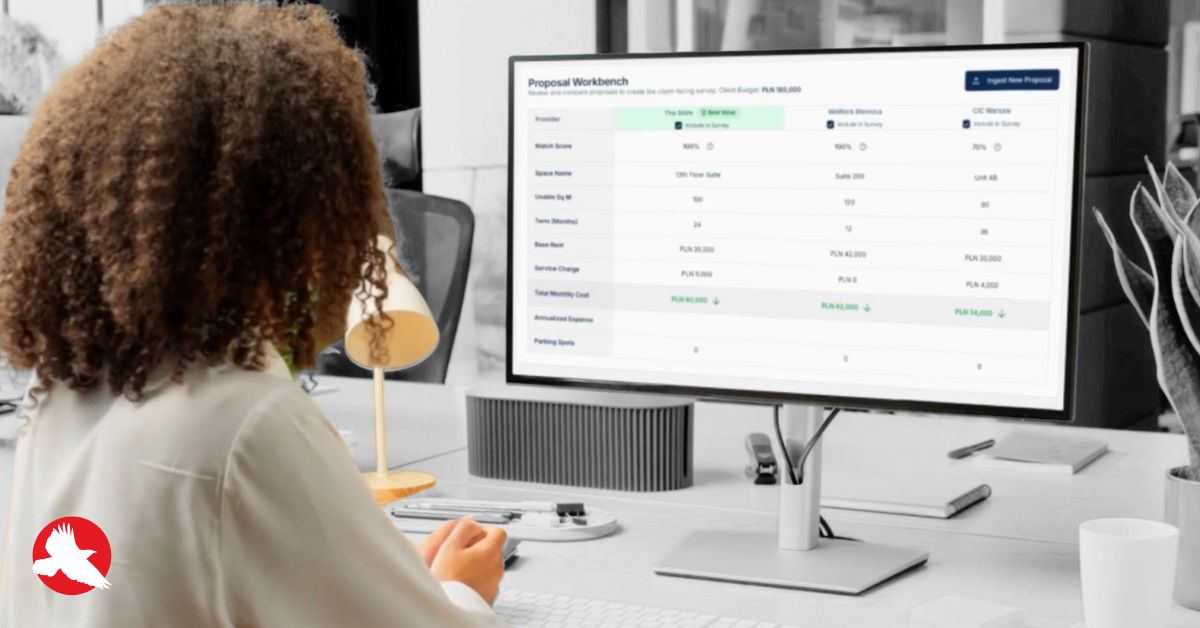
See how Red Hawk used an AI-driven clickable prototype to turn analysts into strategic partners, scaling productivity by 3x.
Read The Story →
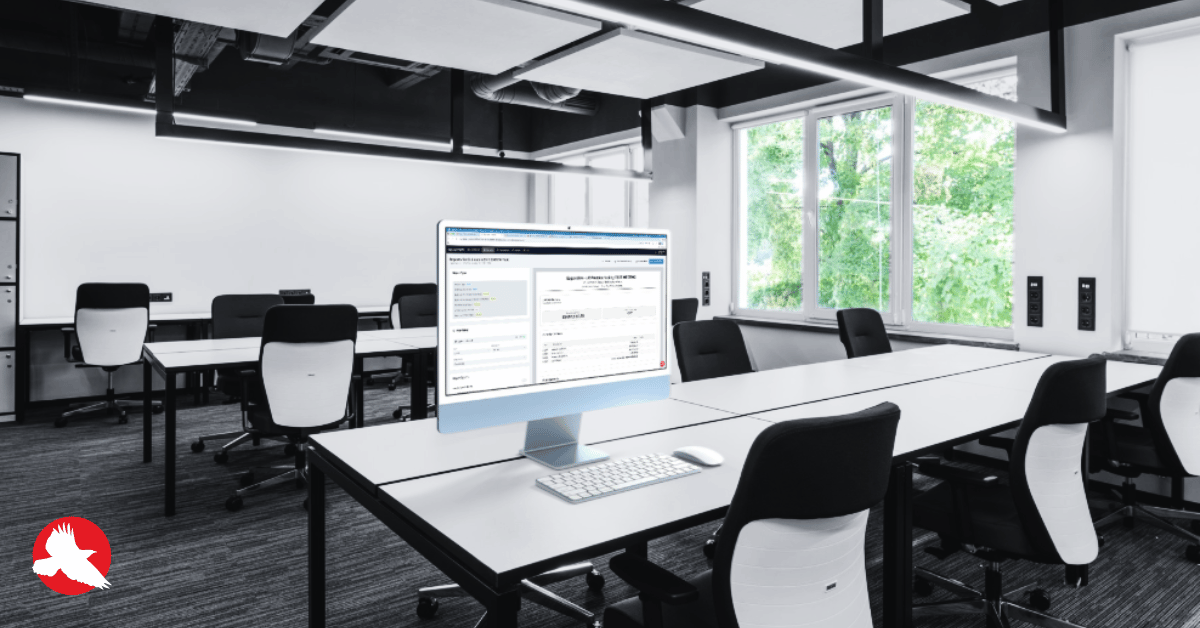
See how Red Hawk validated a new cloud-based estimating application to replace a legacy Microsoft Access system using a high-fidelity cli...
Read The Story →

You’ve built a beautiful prototype. Now it's broken in production. Here's why, and what to do about it. Clickable prototypes built with…
Read The Article →

AI app builders make it easy to build a working prototype, but production brings real users, real data and real risk. The most common…
Read The Article →
Remember Building LEGOs Without Instructions? You dumped the box on the floor, started snapping pieces together, and before long you had…
Read The Article →The technologies we work with on a regular basis so you don't have to.



We stay with you. Red Hawk provides ongoing enhancements, maintenance, and support, so your app stays secure and keeps evolving as your business changes.
It means turning a prototype built with AI or no-code tools into a production system that can handle real users, real data, and real business requirements. That usually includes a new backend, a database designed for integrity and compliance, reliable business logic, integrations, and security.
No. In most cases we keep your interface and the workflows you validated, then rebuild the foundation underneath. Your prototype becomes the blueprint for the production system.
If you need to import historical data, meet compliance or audit requirements, run calculations that must be accurate, connect to other business systems, or support a growing number of users, your app likely needs a production foundation.
It depends on what the tool generated. AI-generated code can pull in outside packages that are outdated, vulnerable, or don't exist at all, along with open-source code that carries licensing restrictions. Our assessment uses software composition analysis to find these risks before they become problems.
Every app is different. The scope depends on your data, compliance needs, integrations, and how much of the original build can carry forward. The assessment gives you a clear picture of the work before you commit.