AI Protoypes Validate an Idea Before Full Implementation

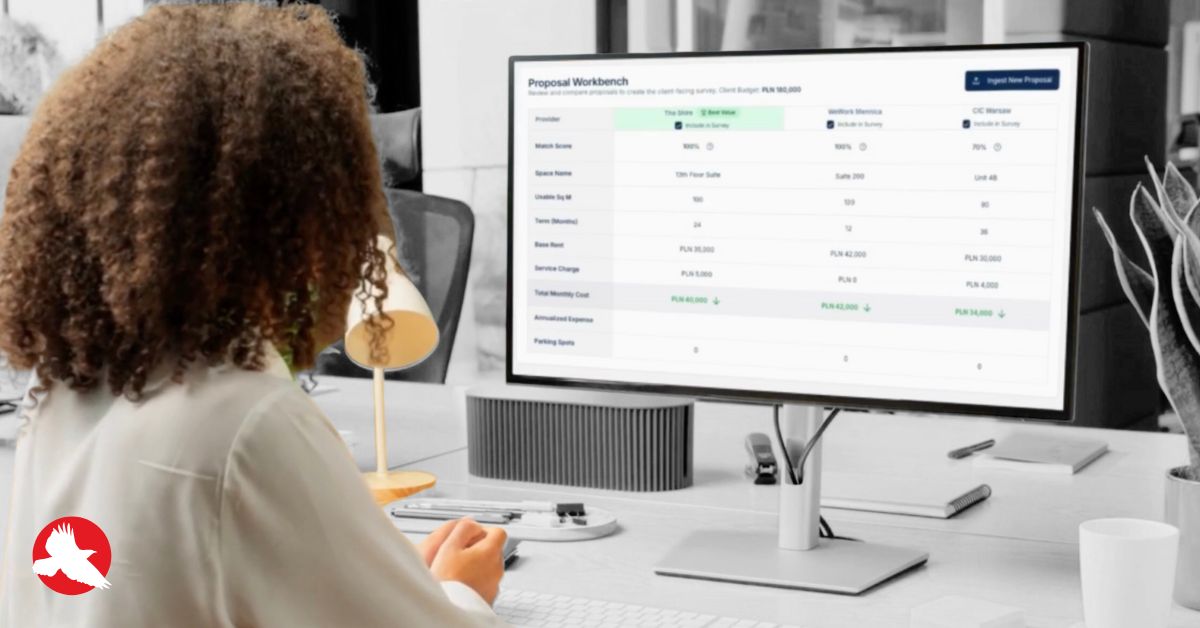
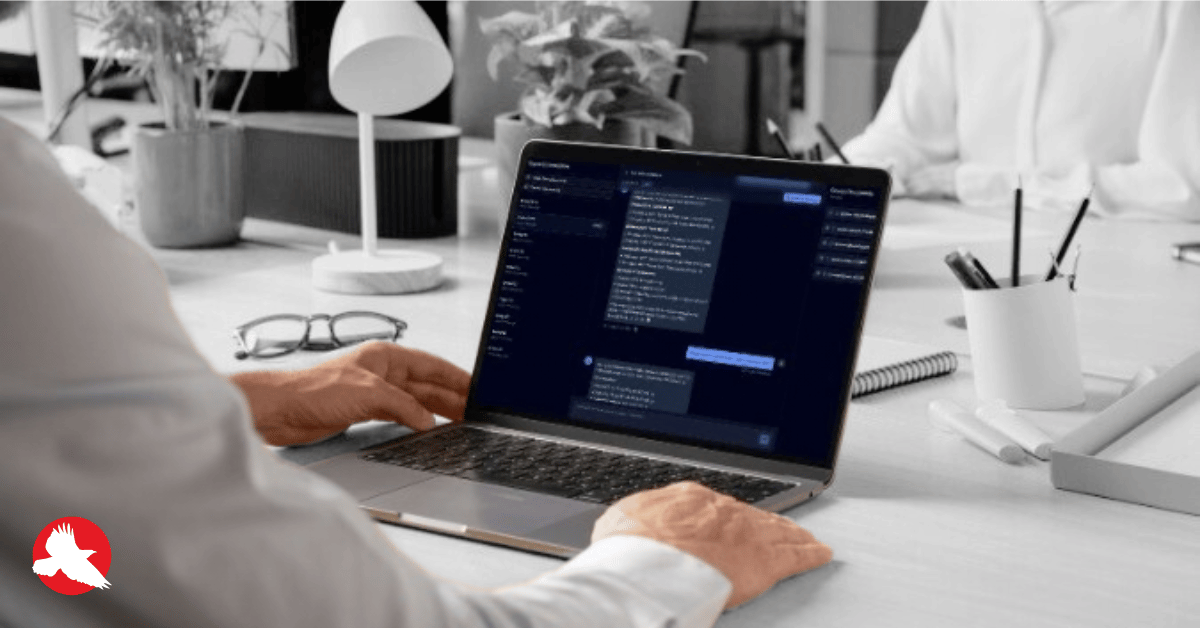
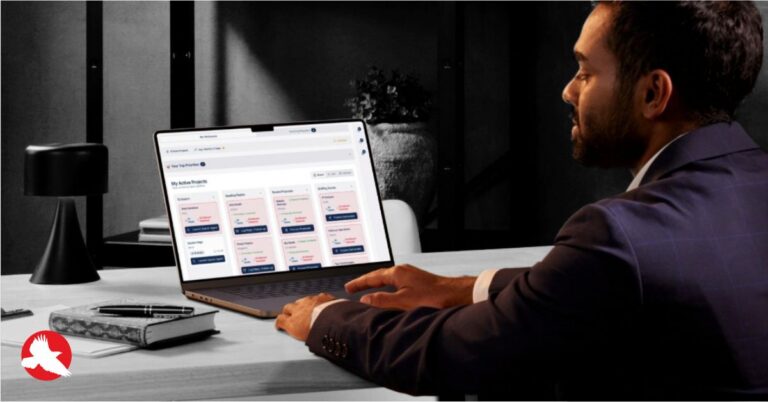
Before you commit development resources to a new tool, interface, or decision-support system, you need to know it actually works the way your team needs it to. A proof of concept delivered via a high-fidelity, clickable prototype gives you an interactive, hands-on model of the solution so stakeholders can click through it, react to it, and validate the concept in the real world, not just on paper.

Interactive Experience Design

Build a clickable, high-fidelity model of your tool or interface that looks and behaves like the real thing.

Stakeholder Testing

Put the prototype in front of the people who'll actually use it so their feedback shapes the solution before development starts.

Concept Validation

Confirm the solution solves the right problem in the right way before committing engineering time and budget.

Reduce Uncertainty With a Clickable Prototype

Test Before You Build

Validate the concept and the experience before any development budget is spent.

Catch Problems Early

Surface usability issues and misaligned assumptions while they're still cheap to fix.

Build Stakeholder Buy-In

Give decision-makers something tangible to react to, not just a slide deck or spec document.

Reduce Development Risk

Walk into the build phase with a validated design, not a guess.

Move Faster

Skip costly rounds of rework by getting the concept right up front.

Speak the Same Language

Give technical and non-technical stakeholders a shared, hands-on reference point.

Related Success Stories

Trust Our Technology Stack

The technologies we work with on a regular basis so you don't have to.

Frontend

  • Blazor
  • Nativescript
  • Typescript
  • Vue.js
  • Flutter
  • HTML
  • CSS
  • JavaScript
  • jQuery
  • Maui
  • Unity
  • Xamarin

Backend

  • .NET Framework
  • .NET Standard
  • .NET Core
  • PHP
  • MSSQL Server
  • MySQL
  • Firebase
  • Puppeteer
  • Node.js
  • Blazor
  • Laravel

Dev Languages

  • C#
  • C++
  • Cobol
  • Google Apps Script
  • Java
  • JavaScript
  • Kotlin
  • Perl
  • PHP
  • Python
  • Swift
  • VB
  • VB.Net
  • VBA
  • Objective-C

AI Platforms

  • AI-Enabled IDEs
  • Gemini
  • ChatGPT
  • Claude
  • Copilot
  • Pieces

CMS

  • DotNetNuke
  • Magento
  • OctoberCMS
  • Wix
  • WordPress
  • nopCommerce

UX Design

  • Miro
  • Adobe
  • Figma
  • Sketch

Project Management

  • Azure DevOps
  • Jira

Mobile Platforms

  • Android
  • iOS

BI Platforms

  • Google Data Studio
  • Microsoft Power BI

Cloud Infrastructure

  • Azure
  • AWS
  • Google Cloud

Payments

  • Bill.com
  • Payrix
  • Stripe

Containers

  • Docker
  • Kubernetes

HCM

  • Paycor
  • ADP

RPA

  • OpenRPA
  • UiPath

CRM

  • Dynamics CRM
  • HubSpot
  • Salesforce

API Technologies

  • GraphQL
  • REST
  • SOAP

ERP

  • Dynamics AX
  • Epicor
  • SAP

Messaging Services

  • Firebase
  • SendGrid
  • Twilio / MessageBird

Frequently Asked Questions

What is a proof of concept in custom software development?

A proof of concept is a scoped, working system built to validate a specific technical or business question, such as feasibility, architecture, or workflow fit, before you commit to full production development.

How is a proof of concept different from a clickable prototype?

A clickable prototype is one method we use to deliver a proof of concept. It's a high-fidelity, interactive simulation used to validate workflows, requirements, and user experience. Some proof of concept engagements go further and involve a functional working system, such as an AI chatbot built on real data.

How long does a proof of concept take?

Timelines vary by scope and complexity. Clickable prototype engagements are often delivered within weeks. More complex builds typically run longer, depending on data readiness and requirements.

Is a proof of concept the same as an MVP?

No. A proof of concept validates the right direction before development. A Minimum Viable Product (MVP) is a production application released to real users after that direction has been confirmed.

What happens after a proof of concept is approved?

Once the direction is validated, we help you choose the right delivery model for production, whether that's a managed Software-Development-as-a-Service engagement or a time and materials build, along with code remediation, UAT, and cloud deployment planning.