Proof of Concept Services

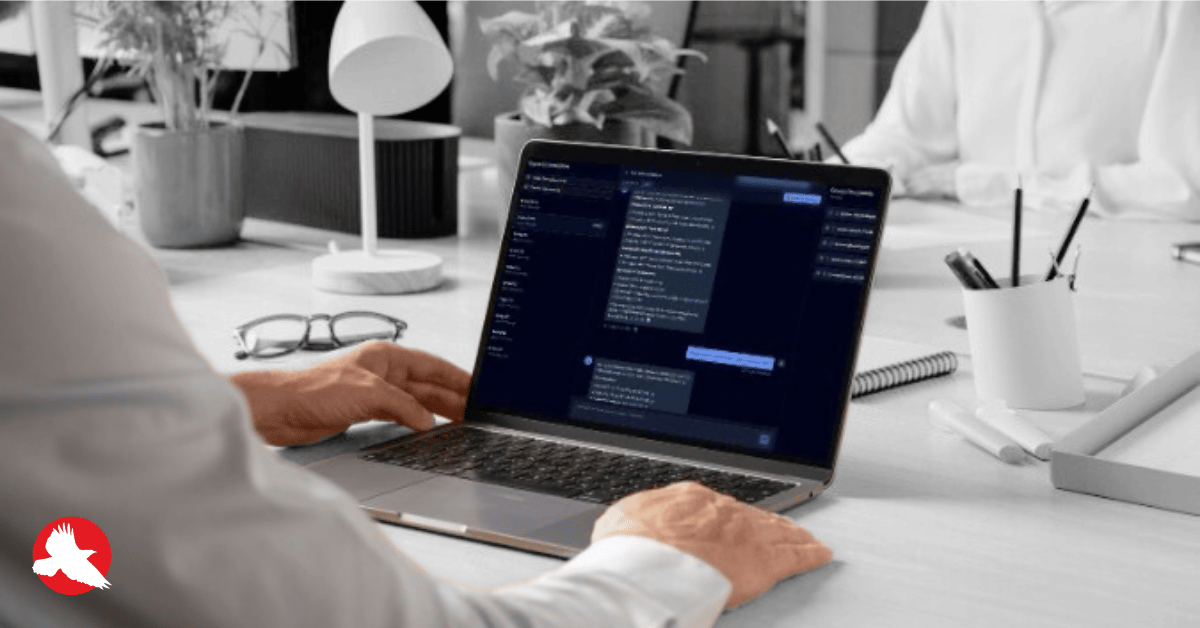
Don't experiment. Prove it works. Before you commit budget to a full build, Red Hawk validates the idea first. We design and deliver working proof of concept engagements, from high-fidelity clickable prototypes that test workflows and requirements, to functional systems like AI chatbots built on real data, so your leadership team has something real to evaluate, not a slide deck. Each engagement is scoped around a clear question, delivered fast, and built to de-risk your investment before you scale.

A working system built on real data

Whether it's a high-fidelity clickable prototype or a functional application, we build with real or representative data so you're evaluating actual performance, not a theoretical pitch.

A scoped, fast-moving engagement

We define the technical question up front, most engagements are delivered in weeks, not months, and stay focused on answering it rather than expanding scope.

A documented go or no-go decision

You walk away with validated requirements, a clear feasibility verdict, and a defined path (or an informed pass) toward production.

The Case for A Proof of Concept

De-risk the investment

Validate feasibility, requirements, and architecture before committing to full development, so problems surface while they're still cheap to fix.

Decide with evidence, not estimates

Give leadership a working system to click through and react to, so go or no-go calls happen faster and with more confidence.

Protect your budget

Catch requirements gaps or architectural issues early, before they turn into costly rework during production.Protect your budget. Catch requirements gaps or architectural issues early, before they turn into costly rework during production.

Build stakeholder buy-in early

Give end users and leadership something tangible to interact with, which builds internal confidence ahead of a larger rollout.

Move from assumption to alignment

Confirm that requirements and specifications actually reflect how your business operates before a single line of production code is written.

Set a foundation for what's next

Carry validated learnings, and where applicable reusable architecture, directly into production planning and delivery.

Related Success Stories

Trust Our Technology Stack

The technologies we work with on a regular basis so you don't have to.

Frontend

  • Blazor
  • Nativescript
  • Typescript
  • Vue.js
  • Flutter
  • HTML
  • CSS
  • JavaScript
  • jQuery
  • Maui
  • Unity
  • Xamarin

Backend

  • .NET Framework
  • .NET Standard
  • .NET Core
  • PHP
  • MSSQL Server
  • MySQL
  • Firebase
  • Puppeteer
  • Node.js
  • Blazor
  • Laravel

Dev Languages

  • C#
  • C++
  • Cobol
  • Google Apps Script
  • Java
  • JavaScript
  • Kotlin
  • Perl
  • PHP
  • Python
  • Swift
  • VB
  • VB.Net
  • VBA
  • Objective-C

AI Platforms

  • AI-Enabled IDEs
  • Gemini
  • ChatGPT
  • Claude
  • Copilot
  • Pieces

CMS

  • DotNetNuke
  • Magento
  • OctoberCMS
  • Wix
  • WordPress
  • nopCommerce

UX Design

  • Miro
  • Adobe
  • Figma
  • Sketch

Project Management

  • Azure DevOps
  • Jira

Mobile Platforms

  • Android
  • iOS

BI Platforms

  • Google Data Studio
  • Microsoft Power BI

Cloud Infrastructure

  • Azure
  • AWS
  • Google Cloud

Payments

  • Bill.com
  • Payrix
  • Stripe

Containers

  • Docker
  • Kubernetes

HCM

  • Paycor
  • ADP

RPA

  • OpenRPA
  • UiPath

CRM

  • Dynamics CRM
  • HubSpot
  • Salesforce

API Technologies

  • GraphQL
  • REST
  • SOAP

ERP

  • Dynamics AX
  • Epicor
  • SAP

Messaging Services

  • Firebase
  • SendGrid
  • Twilio / MessageBird

Frequently Asked Questions

What is a proof of concept in custom software development?

A proof of concept is a scoped, working system built to validate a specific technical or business question, such as feasibility, architecture, or workflow fit, before you commit to full production development.

How is a proof of concept different from a clickable prototype?

A clickable prototype is one method we use to deliver a proof of concept. It's a high-fidelity, interactive simulation used to validate workflows, requirements, and user experience. Some proof of concept engagements go further and involve a functional working system, such as an AI chatbot built on real data.

How long does a proof of concept take?

Timelines vary by scope and complexity. Clickable prototype engagements are often delivered in weeks. More complex builds, such as an AI chatbot proof of concept, typically run six to eight weeks depending on data readiness and requirements.

Is a proof of concept the same as an MVP?

No. A proof of concept validates the right direction before development. A Minimum Viable Product (MVP) is a production application released to real users after that direction has been confirmed.

What happens after a proof of concept is approved?

Once the direction is validated, we help you choose the right delivery model for production, whether that's a managed Software-Development-as-a-Service engagement or a time and materials build, along with code remediation, UAT, and cloud deployment planning.