
Process Automation
Automate Repetitive Work With AI

Give your recurring work to an agent fleet that runs it the way your best people would, every time.


Every business runs on processes that eat hours without adding judgment: status updates, data entry, approvals, notifications, handoffs between systems that don't talk to each other. TransformOS™ maps those workflows into your Digital Business Twin and deploys named agent fleets to run them end to end, with governance built in from day one. The result isn't a script that breaks the first time a field changes or a scattered set of point automations nobody fully understands. It's what TransformOS™'s Workflow Orchestration and Agent Fleet layers do once they're built around a specific process: every automated workflow traces back to a named business goal, every agent has a defined scope, and every consequential action is logged and reviewable.
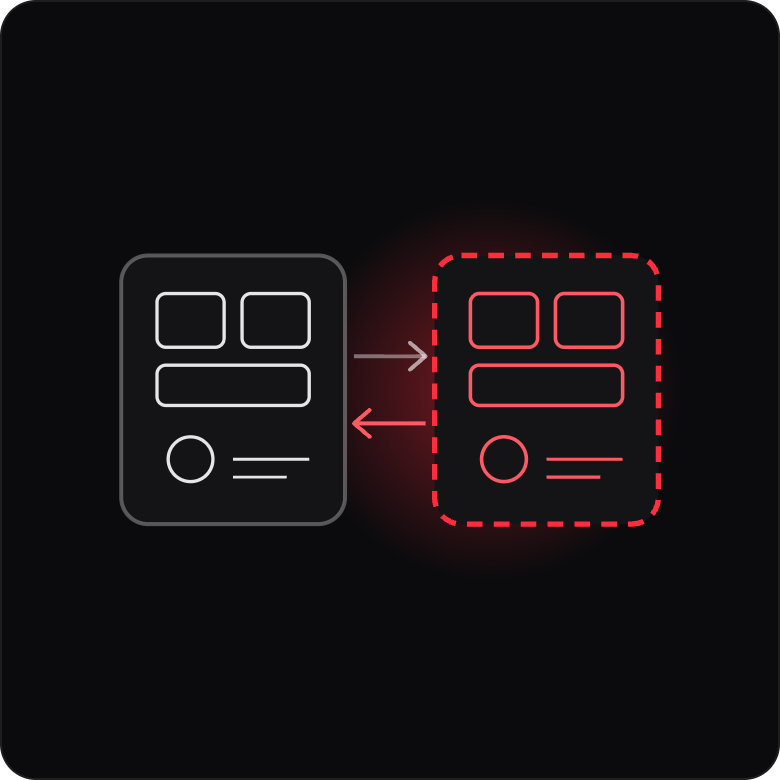
Digital Business Twin

Digital Business Twin

A complete digital model of your business, so agents act on your real business logic instead of a generic template.

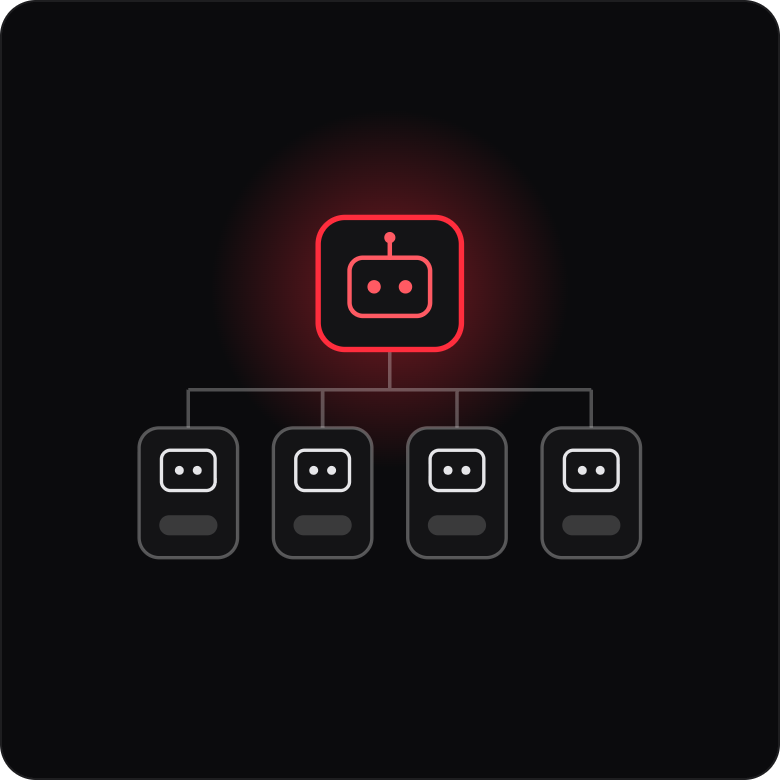
Named Agent Fleets

Named Agent Fleets

Purpose-built agents for specific workflows, with defined scope, duties, and limits.

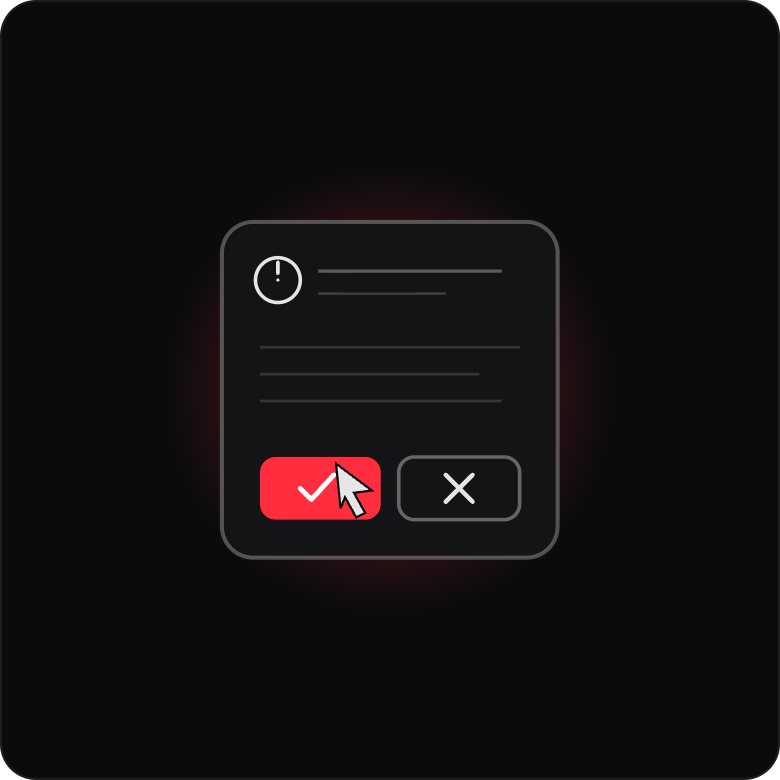
Approval Required

Approval Gates

Sign-off at consequential decision points, with every approval recorded

How your team will benefit

Time back for your team

Recurring manual work moves to an agent fleet, freeing your people for judgment calls only they can make.

Fewer errors, more consistency

An automated workflow runs the same governed process every time, without the variation that creeps into manual handoffs.

Faster cycle times

Work that used to wait in someone's queue moves the moment it's ready, day or night.

Capacity that scales without headcount

An agent fleet absorbs volume growth without a proportional hiring plan.

Full oversight, not a black box

Every action is logged, every consequential step has an approval gate, and autonomy is revocable at any time.

Advantage that compounds

Each automated workflow adds to your Digital Business Twin, so the next process you automate builds on what the last one already taught the system.

Trust Our Technology Stack

The technologies we work with on a regular basis so you don't have to.

Frontend

  • Blazor
  • Nativescript
  • Typescript
  • Vue.js
  • Flutter
  • HTML
  • CSS
  • JavaScript
  • jQuery
  • Maui
  • Unity
  • Xamarin

Backend

  • .NET Framework
  • .NET Standard
  • .NET Core
  • PHP
  • MSSQL Server
  • MySQL
  • Firebase
  • Puppeteer
  • Node.js
  • Blazor
  • Laravel

Dev Languages

  • C#
  • C++
  • Cobol
  • Google Apps Script
  • Java
  • JavaScript
  • Kotlin
  • Perl
  • PHP
  • Python
  • Swift
  • VB
  • VB.Net
  • VBA
  • Objective-C

AI Platforms

  • AI-Enabled IDEs
  • Gemini
  • ChatGPT
  • Claude
  • Copilot
  • Pieces

CMS

  • DotNetNuke
  • Magento
  • OctoberCMS
  • Wix
  • WordPress
  • nopCommerce

UX Design

  • Miro
  • Adobe
  • Figma
  • Sketch

Project Management

  • Azure DevOps
  • Jira

Mobile Platforms

  • Android
  • iOS

BI Platforms

  • Google Data Studio
  • Microsoft Power BI

Cloud Infrastructure

  • Azure
  • AWS
  • Google Cloud

Payments

  • Bill.com
  • Payrix
  • Stripe

Containers

  • Docker
  • Kubernetes

HCM

  • Paycor
  • ADP

RPA

  • OpenRPA
  • UiPath

CRM

  • Dynamics CRM
  • HubSpot
  • Salesforce

API Technologies

  • GraphQL
  • REST
  • SOAP

ERP

  • Dynamics AX
  • Epicor
  • SAP

Messaging Services

  • Firebase
  • SendGrid
  • Twilio / MessageBird

Frequently Asked Questions

Is Process Automation a separate engagement from TransformOS™?

Process Automation is an outcome of TransformOS™. TransformOS™ is the AI Operating System framework, the Digital Business Twin and the five layers underneath it. Automated, agent-run workflows are what that framework produces once it's built around a specific process, specifically through its Workflow Orchestration and Agent Fleet layers. However, not every process automation project is a good fit for TransformOS™. In many cases, traditional machine learning and systems integrations may be the right approach. We'll consult with the client to help them chose the most beneficial path based on their unique circumstances.

Which processes should we automate first?

The best starting point is whichever workflow creates measurable value fastest, usually something high-volume, well-understood, and currently manual. As part of TransformOS™ we evaluate your processes during discovery and work with you to identify the best process to start with.

How long does it take to see a working automation?

A TransformOS™ engagement is scoped to move from discovery to a live, working workflow within a single quarter, consistent with Red Hawk's 90-day time to first agent. Each additional workflow moves faster once the underlying Digital Business Twin is in place. However, this also depends on the data readiness and will be determined after discovery. For example, if there are data dependencies and the data is in poor condition, there may be some work we have to do before we can build the first agentic workflow using TransformOS™.

Do we lose oversight once a process is automated?

No. Every automated workflow starts constrained and only earns broader autonomy based on a measured track record, revocable at any time. Approval gates keep a named human in the loop at consequential decision points, and every action is recorded in an audit trail from day one.